


Newsletter


By Appointment to His Majesty The King
Supplier and Manufacturer of Linens
Richard Haworth Ltd
Manchester

 Why Choose Our Bed Linen
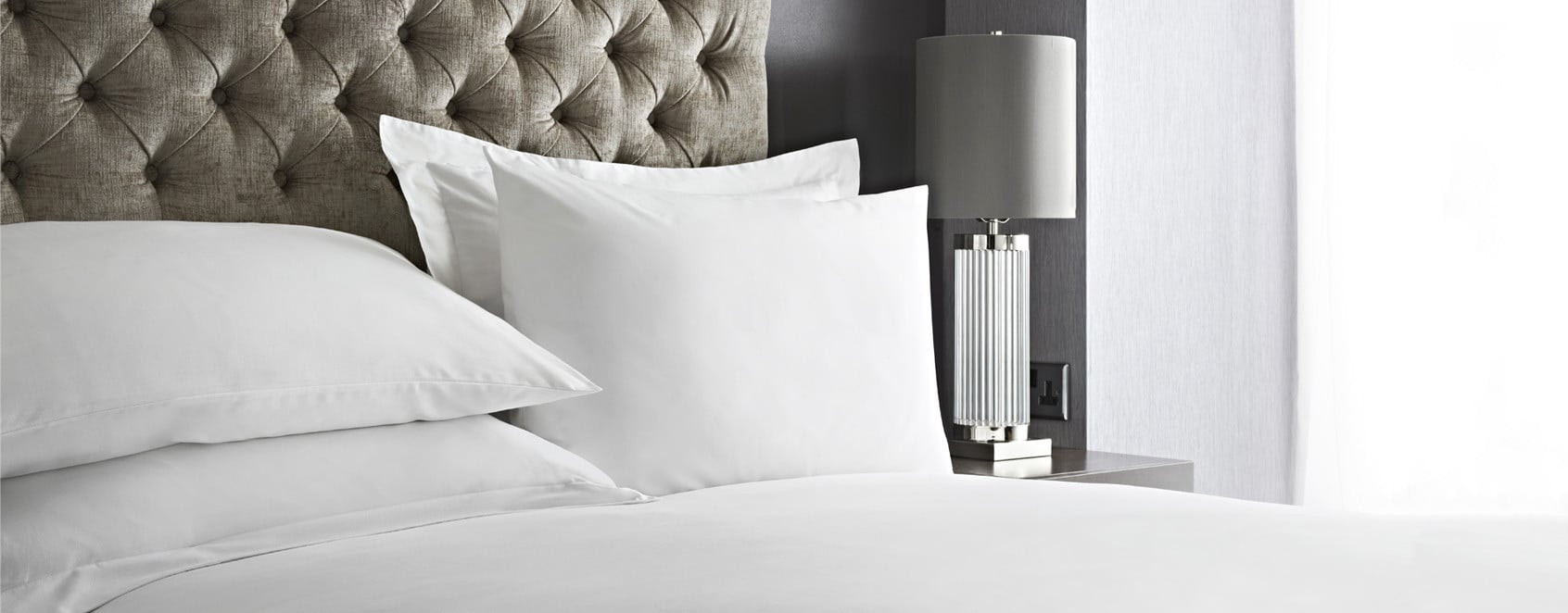
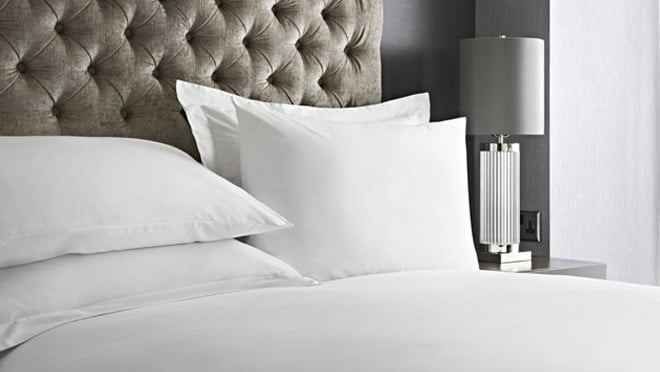
Crafted from responsibly sourced cotton, our bed linen offers a beautiful balance of softness, breathability, and style. Designed for long-lasting comfort and effortless care, it brings a touch of hotel-quality luxury to your home every night.
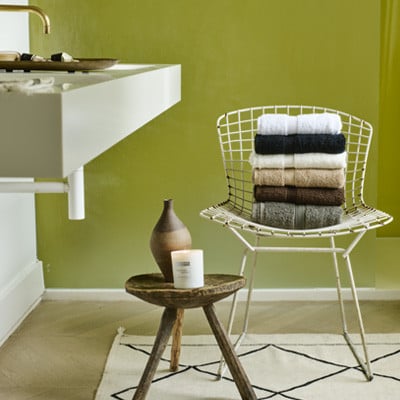
Woven from beautifully soft, responsibly sourced cotton, our bath linen is designed to stay plush and absorbent wash after wash. Combining comfort, style, and everyday luxury, it brings a touch of spa-like indulgence to your home.

Bring restaurant-quality style to your home with table linen that combines elegance, durability, and easy care. Designed to elevate every dining occasion, it maintains its crisp, refined finish wash after wash — helping you create a setting that always feels special.
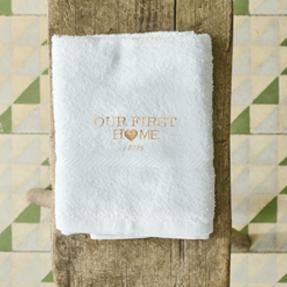
Add a personal touch to your linen with embroidery made in the UK. From names to small details, it’s an easy way to make your collection feel more individual and truly your own.
For the Financial Year Ending 30th April 2026.
This statement is made pursuant to Section 54 of the UK Modern Slavery Act 2015 and outlines the steps taken by Richard Haworth to prevent modern slavery and human trafficking within our business and supply chains.
We are committed to improving our practices to combat modern slavery and support the protection of human rights across all aspects of our operations.
Richard Haworth is a supplier of high-quality bed linen, bath linen, and table linen products, serving the hospitality sector across the UK. Our customers include hotels, resorts, restaurants and serviced accommodation providers.
Our products are primarily made from cotton, polyester, and polycotton blends, and are sourced through an international network of suppliers.
This Modern Slavery & Human Trafficking statement applies to Richard Haworth facilities and employees, including remote workers.
Our supply chain is global and includes:
• Tier 1 Suppliers: Finished textile goods are manufactured in Pakistan, Bangladesh, China, Turkey and Europe. We work closely with these suppliers to maintain quality and ethical sourcing standards.
• Tier 2 Suppliers: Yarn and fabric producers, often subcontracted by Tier 1 manufacturers.
• Tier 3 Suppliers: Raw material suppliers. Our cotton is primarily sourced from the USA, India, Pakistan, and Turkey, while polyester is derived from petrochemical sources, often manufactured in China and other parts of Asia.
We recognise the risk of modern slavery in the agricultural and manufacturing stages of textile production, particularly in regions with systemic labour rights challenges.
We have established the following policies to prevent modern slavery and unethical labour practices:
• Modern Slavery Policy
• Ethical Trading Policy – aligned with the ETI Base Code
• Responsible Raw Material Sourcing Policy
• Whistleblowing Policy
• Anti-Bribery and Corruption Policy
These policies are communicated to our employees and suppliers and are incorporated into our contractual agreements.
We conduct annual risk assessments of our supply chain based on:
• Country risk (using recognised indices such as the Global Slavery Index)
• Product type and material
• Transparency and audit history
Due diligence measures include:
• Supplier onboarding questionnaires, including specific requirements for Sedex membership
• Review of third-party social compliance audits (e.g. SMETA, BSCI).
If risks or red flags are identified, we investigate and, where necessary, suspend or terminate relationships with non-compliant suppliers.
We provide training to employees involved in procurement, sourcing, and quality assurance to help them:
• Avoid aggressive buying practices that can contribute to the potential of modern slavery occurring
• Recognise indicators of forced labour or exploitation
• Engage appropriately with suppliers on ethical trade issues
• Report any concerns through our whistleblowing mechanism
We monitor the effectiveness of our modern slavery prevention through the following metrics:
• % of Tier 1 suppliers reviewed or audited annually
• % of suppliers that have signed our Ethical Trade Policy
• Number of identified concerns and remedial actions taken
We are also exploring enhanced traceability for raw materials, particularly for cotton, which carries a higher risk of forced labour at the farming level.
At Board level, ethical issues are raised and discussed at the quarterly board meetings and decisions taken at the highest level. All directors and buyers are regularly updated with information through briefings, meetings and, in certain cases, bespoke training courses.
Richard Haworth participates in conferences and seminars to keep our knowledge of the risks of Modern slavery fully updated and aligned with best practice. The group remains vigilant to the changing geo-political pressures that drives aspects such as migration, poverty and social disruption acknowledging that Modern Slavery and Forced Labour thrives within this uncertain environment.
Over the next 12 months, we aim to:
• Conduct deeper traceability mapping of cotton and polyester sources
This statement was approved by the Board of Directors of Richard Haworth on 1st May 2025 in compliance with the Modern Slavery Act 2015.
This policy will be reviewed annually.
Raj Ruia, Director, Richard Haworth